Sign in
 Sign up





































Along with food and clothing, housing is one of the most pressing basic human needs. Against the backdrop of such planetary problems as climate change, loss of biodiversity and environmental pollution, the world today is also facing a double blow of population growth – projected to reach 8.6 billion in 2030 and 9.8 billion by 2050 – and growing demand for housing and commercial real estate.
By 2030, 3 billion people will need new housing, and about 300 million new homes will be needed, or approximately 21 million new homes per year. This stunning forecast also means an increase in demand for construction and related materials, including steel, aluminum, glass, bricks and concrete – the second most used resource on the planet after water.
It also depletes already scarce natural resources, especially soil and fresh water, and increases energy demand, thereby contributing to greenhouse gas (GHG) emissions. Unfortunately, commercial and residential buildings worldwide account for more than a third of energy consumption and energy-related greenhouse gas emissions. In particular, buildings account for about 39% of global energy-related carbon emissions, including 28% of operational emissions, the energy needed to heat, cool and power them, and 11% from construction and materials such as steel, cement and glass.
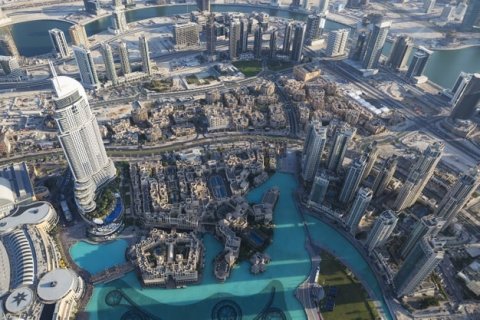
The UAE also ranks high in terms of the number of buildings and the creation of a favorable environment for investment and the construction of environmentally friendly buildings and sustainable cities in various emirates.
Sharjah Sustainable City is one such initiative that aims to reduce carbon dioxide emissions through the use of renewable energy sources, promote green mobility, waste recycling and the use of environmentally friendly building materials. In addition to using renewable energy sources, the city is equipped with a biogas plant for processing organic waste (food waste, green waste and sludge), which converts waste problems into a resource (electricity and/or thermal energy).